
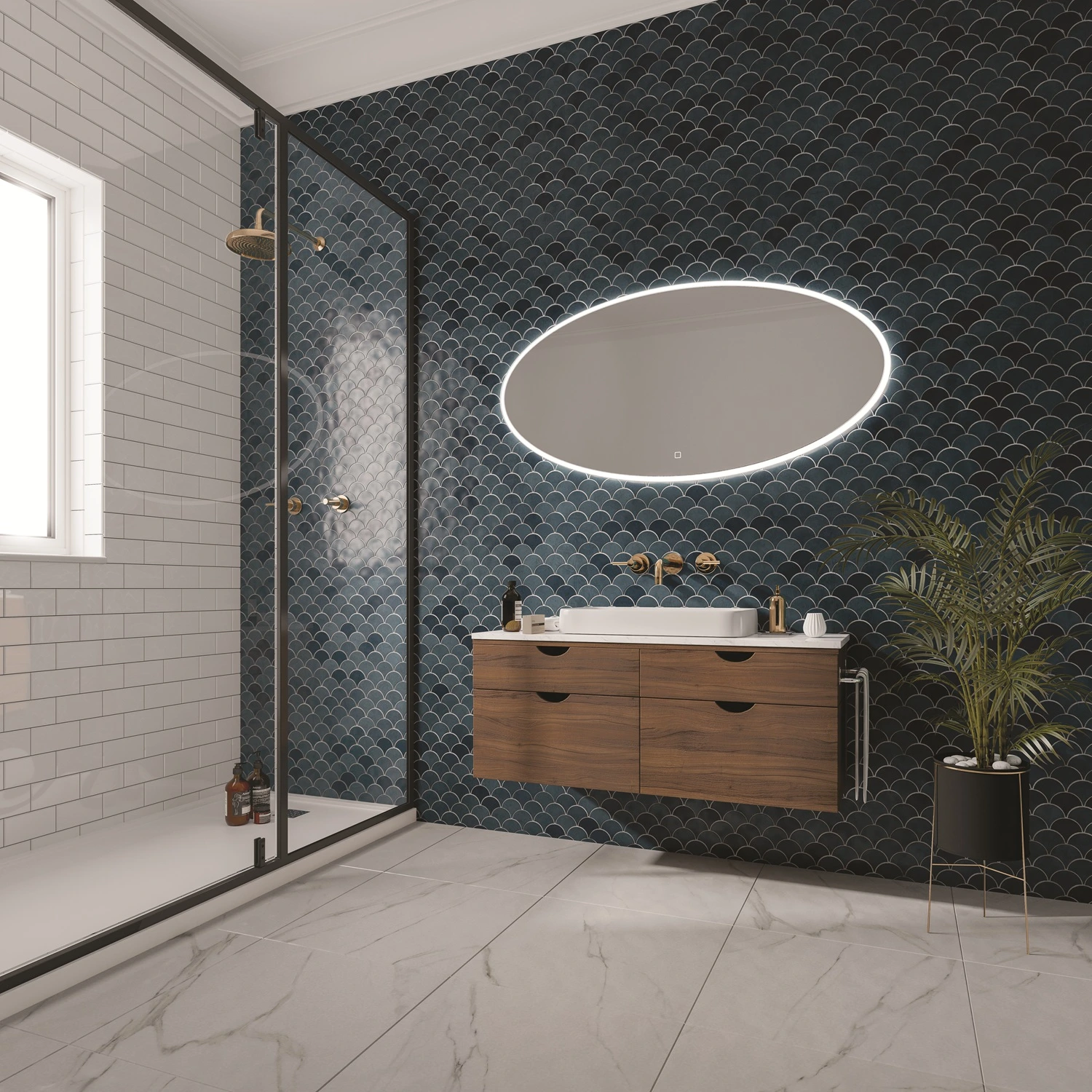

In most homes, the basin zone is the most used part of the bathroom.
It is where mornings start. It is where hands are washed a dozen times a day. It is where routines repeat, often at speed, and often with more than one person trying to use the room.
That is why this area tends to decide how the bathroom feels in real life.
A bathroom can look impressive and still feel awkward if the basin zone is not planned properly. The vanity might be stylish, the tiles might be well chosen, and the shower might look sharp. Yet the room can still feel slightly “off” because the day-to-day space around the basin does not work.
A full renovation is your opportunity to correct that. Not by adding more things, but by planning the layout and function properly from the beginning.
The Basin Is Not a Feature. It Is a Daily Work Area
It is easy to treat the basin as a product choice. Pick a vanity. Pick a basin. Pick a mirror.
But the reality is simpler. The basin zone is where people do everyday tasks, often quickly and often half awake. That includes:
- Brushing teeth
- Shaving
- Skincare
- Hair
- Getting children ready
- Washing hands and tidying up throughout the day
This is also the area where clutter collects first. Not because people are careless, but because the basin is where most daily items are used.
If the basin zone is under-planned, you see it immediately in daily use. Surfaces become crowded. Storage feels inconvenient. Lighting feels harsh. The room never quite settles.
If the basin zone is planned well, the bathroom feels calmer without you needing to think about it.
Layout First: The Space Around the Basin Matters More Than the Vanity Style
When people say a bathroom feels cramped, it is not always the square metres. Often it is the layout.
If the basin is placed in a position that interrupts movement through the room, you feel it every day. If you are stepping around a corner, squeezing past the vanity, or negotiating an awkward door swing, the bathroom begins to feel smaller than it is.
During a full renovation, the goal is to create a basin zone that sits naturally within the room. That usually means planning for:
- Comfortable standing space in front of the basin
- Clear movement from entry to basin, and basin to shower or bath
- Sensible spacing between basin, WC, and shower zone
- A layout that feels balanced rather than busy
This is what “layout first” looks like in practice. It is not a design slogan. It is a plan for how you move through the room when you are using it, not viewing it.
The Pinch Point: Shared Routines Expose Weak Planning Fast
In many households, the basin becomes the pressure point at peak times.
Not the shower. Not the bath.
The basin.
Two people want the mirror. Someone needs the sink. A child needs help. Another person wants to wash hands and leave. When the layout is poorly planned, those moments become irritating.
When the layout is well planned, the same routine feels smoother.
There are several ways a renovation can reduce that daily friction, depending on the room:
- A wider vanity that gives better elbow room
- A better proportioned mirror area
- A layout that allows someone to pass behind without bumping into corners
- In some cases, a double vanity when it suits the space and the household
The point is not luxury. The point is ease.
A bathroom that supports real routines does not feel hectic, even when the house is busy.
Storage Is What Keeps the Basin Zone Calm
The basin zone is where clutter appears first, because it is where daily items live.
If storage is limited or awkward, surfaces become the default. Toothbrushes, skincare, razors, hair tools, hand soap, cleaning sprays, and the items you use for children. It builds quickly.
And once the counter is crowded, the whole room starts to feel busy.
In a full renovation, storage is best handled as part of the layout, not as an add-on after finishes are chosen. That usually involves:
Vanity Storage That Suits Real Use
Drawers tend to be easier for everyday routines because items are visible and reachable. When storage is practical, the counter naturally stays clearer.
Mirror Storage Where It Genuinely Helps
Mirror cabinets can be useful, but only when they suit the plan and the household. The best approach is not “add a cabinet”. It is “decide what needs to live here, then plan storage accordingly”.
Tall Units Placed with Care
Tall storage can be a strong option, especially in family bathrooms, but it needs to be positioned so it does not interrupt the flow or make the room feel narrower.
The aim is simple. A bathroom that stays organised because the design supports it. Not because someone is constantly tidying.
Lighting: The Basin Zone Should Be Comfortable at Any Time of Day
Lighting is one of the most overlooked parts of basin planning, and one of the quickest ways a bathroom can feel less refined than it should.
Overhead lighting on its own can create shadows at the face. It can make the mirror area feel harsh in the morning and flat in the evening. It can also make a well-finished bathroom feel slightly incomplete.
A full renovation is the time to plan lighting properly around use, not just appearance. That usually means thinking in layers:
- Lighting that supports the mirror area
- Lighting that suits early mornings and evenings
- Lighting that keeps the room feeling calm, not clinical
This does not need to be complicated. It just needs to be intentional. When lighting is planned early, the basin zone looks right and feels comfortable, no matter the season or time of day.
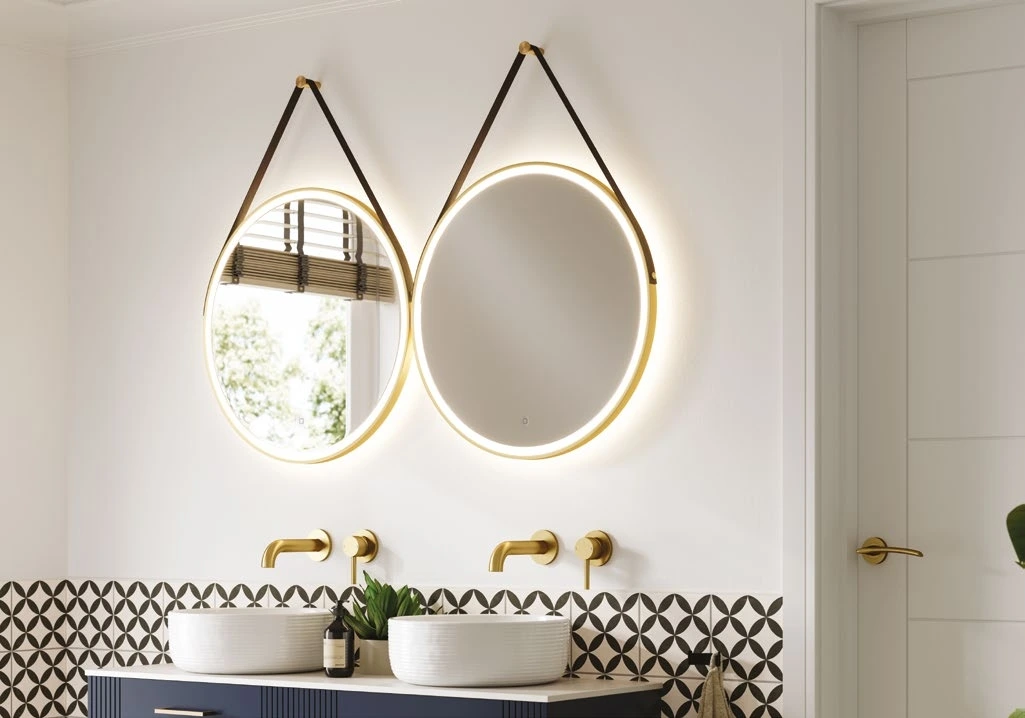
Proportions: Why The Mirror and Vanity Need To “Belong” Together
Proportion is a quiet detail that shapes how the room feels.
If the mirror is too small for the vanity, the basin zone can look oddly top-heavy or under-finished. If the vanity is too bulky for the room, the space can feel tighter than it needs to. If the mirror is positioned poorly, it can feel uncomfortable for different heights in the household.
During renovation planning, these decisions can be handled properly so the basin zone looks balanced from the start.
Balance is the word here. Not trends. Not statements. Just a basin zone that sits comfortably within the room.
The Details That Prevent Daily Irritation Later
Some issues are not obvious until you live with them.
A basin zone can look perfectly fine, then become mildly frustrating because of small choices that were not considered early enough.
In a properly planned renovation, it is worth accounting for details such as:
Socket Placement
It should suit how the household actually uses the space. Hair tools, electric toothbrush chargers, shavers. The locations need to feel natural, not forced.
Towel Placement
Hand towels should be within easy reach from the basin, without disrupting the look or the flow. Bath towels should make sense from the shower or bath exit.
Ventilation And Moisture Behaviour
The basin zone should not remain damp after showers. A space that clears properly feels more pleasant to use and easier to keep clean.
Practical Reach and Access
If storage is too high, too deep, or awkward to open beside another fitting, it becomes unused space. The plan should suit everyday movement.
These are the elements that make the bathroom feel straightforward to use. They also contribute to that “finished” feel people often struggle to describe, but always notice.
Making The Basin Zone Feel More Open Without Changing the Footprint
A cramped basin zone does not always mean the bathroom is too small.
Often the issue is how the space has been divided. The vanity might be too deep. The shower zone might dominate the room. The WC might interrupt the flow. Storage might be forcing everything onto surfaces.
With a full renovation, you can usually improve how open the basin zone feels by combining a few smart decisions:
- Choosing proportions that suit the room
- Keeping movement routes clear
- Building storage into the plan, so the counter stays clear
- Using lighting to lift the mirror area and reduce harsh shadows
The footprint stays the same. The experience changes.
Main Bathroom Vs Ensuite: The Basin Zone Plays a Different Role
In a main bathroom, the basin zone often has to handle shared routines. That is where width, storage capacity, and traffic flow become more important. It needs to handle daily use, not just look good.
In an ensuite, the basin zone often plays a different role. It needs to feel comfortable in a tighter space. It should not feel cramped or awkward, and it should support one person’s routine without forcing compromises on movement or storage.
Either way, the principle remains the same. Plan around real routines. Place fittings so the room feels natural to use. Let the layout do the work.
The Real Test of a Renovation
If the basin zone feels inconvenient today, it is rarely solved by swapping a mirror or changing a few accessories. Most of the time, the issue is more fundamental in a day-to-day sense. The basin is in the wrong position. Storage is not planned around real use. Lighting does not suit the mirror area. The flow through the room feels awkward, even if the bathroom looks fine on the surface.
This is exactly why layout-led planning matters. It allows those issues to be solved properly at design stage, with the basin zone planned as part of the overall room rather than treated as a separate decision. That is the difference between a bathroom that simply looks new and one that feels right to use.
If you’re planning a bathroom renovation, speak with Odyssey Bathrooms and start shaping the layout early. Get in touch today!

